
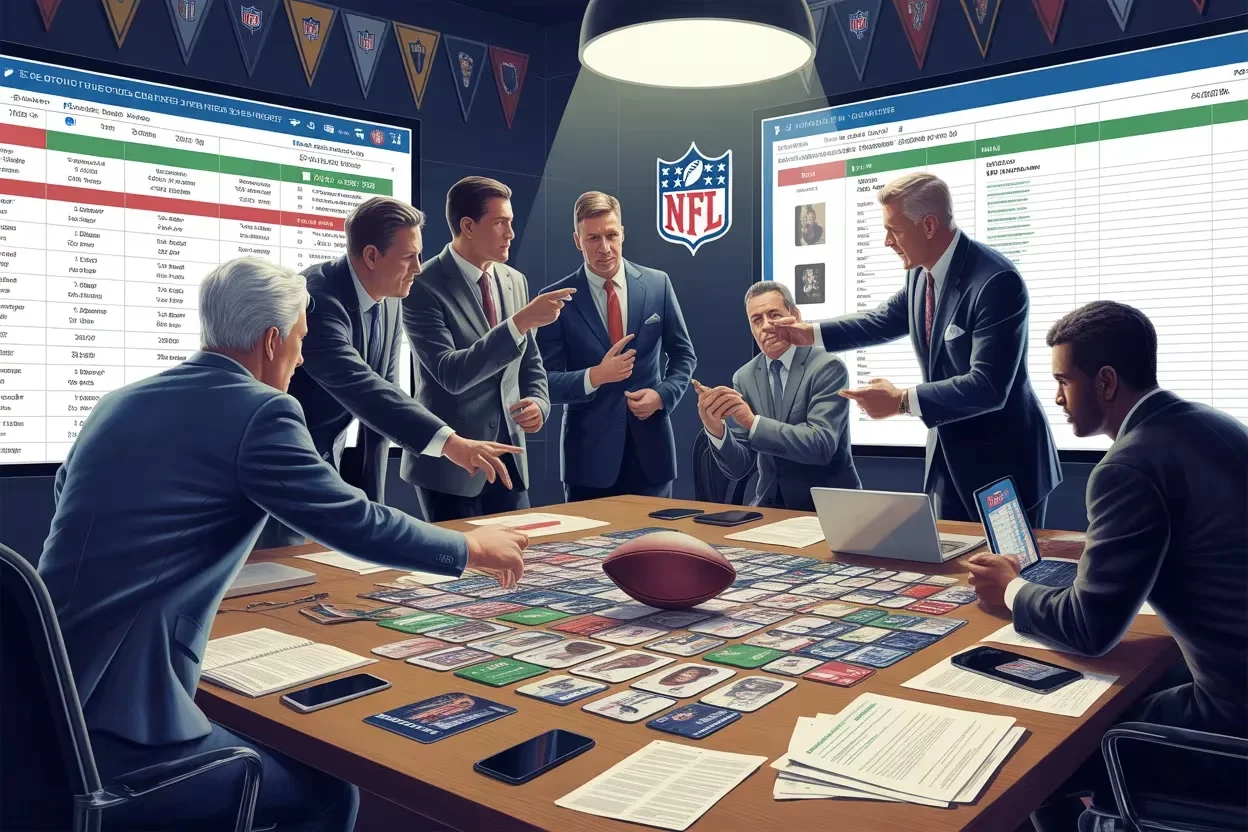
American football is a game of intense strategy and incredibly bold decisions. Every single franchise shares the ultimate dream of winning the glorious championship ring. To achieve this amazing goal, front offices must constantly search for the best available talent. This is exactly where the exciting world of NFL trades takes center stage. Fans eagerly wait to see which superstars will pack their bags for a new city. A single smart deal can instantly transform a losing roster into an unstoppable powerhouse.
Understanding the basic mechanics of these agreements is essential for any dedicated football fan. In simple terms, NFL trades occur when two different franchises agree to swap valuable assets. Sometimes, a team sends an established veteran to a new city for a younger player. Other times, they exchange current players for highly coveted future draft picks. Both organizations must fully agree that the exchange is completely fair before signing the official paperwork. The ultimate goal is always building a much stronger, faster roster.
Key Assets Used in Football Swaps
When teams negotiate, they have a few specific items they can offer each other.
- Established Superstars: Proven, elite talent that helps a team win big games immediately.
- Future Draft Picks: Golden tickets used to select young college athletes next spring.
- Reliable Backup Talent: Solid, hardworking players who provide crucial depth for injured starters.
- Conditional Draft Picks: Special draft choices that improve if a traded player performs exceptionally well.
- Salary Cap Space: Sometimes teams trade players simply to free up money for other massive contracts.
You might wonder why a team would disrupt its locker room during a busy season. Injuries are a massive, unfortunate reality in this incredibly tough and physical sport. If a starting quarterback suffers a terrible injury, the front office immediately panics. They quickly utilize NFL trades to acquire a capable veteran replacement right away. A fast, intelligent deal can quite literally save an entire season from total disaster. General Managers work around the clock to ensure the team survives.
Top Reasons Teams Pull the Trigger
Franchises have very different motivations depending on their current win-loss record.
- The Championship Push: Grabbing one final elite player to secure a deep playoff run.
- The Rebuilding Phase: Trading away aging stars to gather multiple draft picks for tomorrow.
- Resolving Contract Disputes: Moving a talented player who aggressively demands too much money.
- Perfecting Scheme Fit: Finding fast athletes who perfectly match the head coach’s brand new playbook.
- Improving Team Chemistry: Removing unhappy or disruptive players to drastically boost overall locker room morale.
Draft picks function as the absolute primary currency in the professional football universe. Whenever franchises sit down to discuss potential NFL trades, these valuable picks are always involved. A first-round selection is incredibly precious because it guarantees a top-tier college prospect. Teams currently trying to rebuild their broken foundations absolutely love hoarding these future picks. It gives them multiple exciting chances to draft a completely generational talent. Smart organizations use these assets to build massive, long-lasting success over many years.
Understanding Draft Pick Values
Different rounds carry vastly different expectations for immediate success on the green field.
| Draft Round | Expected Player Impact | Trade Value in Negotiations |
| First Round | Instant starter, potential superstar franchise player. | Extremely High (Often commands multiple veteran players). |
| Second Round | Solid starter, expected to contribute in year one. | Very High (Used to acquire high-quality, proven starters). |
| Third Round | Rotational player with high potential to start soon. | High (Often packaged together for bigger blockbuster deals). |
| Fourth to Fifth | Special teams player or developmental backup talent. | Medium (Used to trade for depth players or aging veterans). |
| Sixth to Seventh | Longshot project player, fighting to make the roster. | Low (Used in minor player-for-player swaps at the deadline). |
History is totally filled with shocking blockbusters that fans still loudly debate today. One of the most famous NFL trades occurred way back in the 1989 season. The Dallas Cowboys traded their legendary running back to the Minnesota Vikings for massive draft capital. Many sports reporters thought the Dallas front office was completely crazy at the time. However, Dallas expertly used those exact picks to build a legendary super team. They won three massive championships and completely dominated the exciting 1990s era.
The Biggest Blockbusters in Football History
These massive deals completely changed the direction of multiple franchises overnight.
| Traded Superstar | Moving From | Moving To | Ultimate Result of the Deal |
| Herschel Walker | Dallas Cowboys | Minnesota Vikings | Dallas drafted Emmitt Smith and built an unstoppable 1990s dynasty. |
| Russell Wilson | Seattle Seahawks | Denver Broncos | Seattle rebuilt instantly; Denver struggled heavily with the massive contract. |
| Matthew Stafford | Detroit Lions | Los Angeles Rams | The Rams won the Super Bowl in his very first season! |
| Khalil Mack | Oakland Raiders | Chicago Bears | Chicago instantly secured the most terrifying, dominant defense in football. |
| Jalen Ramsey | Jacksonville Jaguars | Los Angeles Rams | The Rams added an elite defender who helped them secure a championship. |
Money truly makes the football world go round, but strict rules constantly apply. The league strictly enforces something famously called the hard salary cap every year. This means every single team has a definitive limit on their total player payroll. Because of this strict financial limit, NFL trades become a highly complicated math problem. If a team acquires a massive superstar, they must possess enough available bank money. Sometimes, teams must sadly trade beloved players simply because they cannot afford their salaries.
Navigating the Tricky Salary Cap
General Managers must be brilliant accountants as well as excellent talent evaluators.
- Dead Money Penalties: The painful financial cost a team takes when trading a recently signed player.
- Contract Restructuring: Changing a player’s current deal to magically create more cap space for new trades.
- Rookie Contracts: Highly valuable deals because young drafted players cost significantly less money than veterans.
- Signing Bonuses: Guaranteed money that makes trading certain superstar players incredibly difficult and financially punishing.
- Cap Casualties: Good players released or traded purely because their current contract is too incredibly expensive.
There is a specific, chaotic day every single year that fans absolutely love. This is the highly anticipated official trade deadline, usually landing right around late October. After this specific day passes, teams are strictly forbidden from making NFL trades until spring. Because the clock is loudly ticking down, the final hours become pure, unadulterated chaos. Cell phones ring non-stop as desperate teams make last-minute deals to save their seasons. Fans sit completely glued to the internet, hoping their favorite team makes a massive move.
The Chaos of Trade Deadline Day
The final 48 hours before the buzzer are always filled with intense drama.
- Media Rumors: Sports reporters constantly tweet out wild, unconfirmed tips about secret backdoor negotiations.
- Panic Buying: Desperate teams overpaying with draft picks because their star player just got badly injured.
- Fire Sales: Losing teams completely giving up on the season and selling every good veteran they have.
- Physical Exams: Traded players must quickly pass a strict medical test before the deadline officially closes.
- Sleepless Nights: Front office executives literally sleep in their offices to finalize massive, complicated legal paperwork.
It is very easy to view these giant athletes as characters in a video game. However, they are incredibly real human beings with families, children, and deep community roots. When shocking NFL trades suddenly happen, a player’s comfortable life is turned totally upside down. They might receive a shocking phone call on a quiet, relaxing Tuesday morning. By Wednesday night, they are flying across the entire country to a brand new state. They must immediately find housing, move their kids, and learn a completely new playbook.
The Human Impact of Changing Teams
Players face massive personal challenges when they are suddenly forced to relocate.
- Instant Relocation: Packing up an entire household into moving trucks within just a few short days.
- Family Disruption: Pulling children out of familiar schools and leaving behind incredibly close neighborhood friends.
- Playbook Panic: Staying awake all night attempting to memorize a massive, highly complicated new offensive system.
- Locker Room Dynamics: Walking into a brand new room and trying to earn the deep respect of new teammates.
- Media Pressure: Facing dozens of new reporters who expect them to instantly save the struggling franchise.
Every franchise employs a primary architect who works upstairs in the quiet, focused front office. This highly powerful person is called the General Manager, or the GM for short. The GM is the primary individual who aggressively creates and finalizes all NFL trades. While the head coach focuses purely on winning Sunday’s game, the GM plans ahead. A brilliant GM is a master negotiator who expertly extracts maximum value from desperate rivals. If a GM makes brilliant deals, the entire passionately loyal city celebrates them forever.
The Role of the General Manager
The front office boss carries the heaviest burden of building a winning culture.
| GM Responsibility | Why It Matters for the Team | The Ultimate Goal |
| Pro Scouting | Evaluating talent currently playing on other professional rosters. | Finding hidden gems who are undervalued by their current teams. |
| Contract Negotiation | Ensuring traded players fit perfectly under the strict salary cap. | Maintaining long-term financial health while building a competitive roster. |
| Risk Assessment | Deciding if giving up a first-round pick is actually worth it. | Protecting the team’s future assets from impulsive, desperate mistakes. |
| Coach Collaboration | Asking the head coach exactly what specific skills the team lacks. | Supplying the coaching staff with the exact tools needed to win. |
| Media Relations | Explaining highly controversial trades to angry reporters and passionate fans. | Keeping the loyal fan base incredibly excited and perfectly informed. |
Passionate football fans are undeniably the incredibly loud, beating heart of this massive sport. Because they care so deeply, their explosive reactions to big NFL trades are totally wild. If a front office trades away a beloved fan favorite, the stadium erupts in anger. Fans might quickly cancel their expensive season tickets and aggressively protest on sports radio shows. Conversely, if their team acquires a shiny new superstar, the entire city throws a giant party. Massive merchandise sales immediately explode, and profound championship hope completely fills the crisp autumn air.
How the Modern Game is Evolving
The landscape of professional roster construction is changing faster than ever before. In the older, quieter days, teams were incredibly hesitant to make big, risky deals. Today, the entire front office culture has shifted toward extreme, win-now aggression. Modern NFL trades are incredibly frequent, bold, and entirely focused on immediate championship results. General Managers are totally unafraid to trade multiple premium draft picks for proven, elite superstars. Because of this brave new mindset, fans can expect thrilling blockbuster deals every single year.
Frequently Asked Questions (FAQs)
1. Can a professional athlete completely refuse to be traded?
Normally, a player has absolutely zero control and must go where the franchise dictates. However, a select few elite superstars negotiate a strict “no-trade clause” into their massive contracts. This powerful legal rule allows them to aggressively block any NFL trades they personally dislike.
2. What exactly happens to a player’s guaranteed money when moved?
When an athlete is traded, their existing legal contract safely travels with them. The new acquiring franchise legally promises to pay the exact remaining salary owed to the player. Sometimes, the two teams expertly negotiate to split the massive financial cost between both budgets.
3. Are head coaches ever included in these massive franchise swaps?
While exceptionally rare, teams can absolutely trade future draft capital to acquire a head coach. They cannot trade coaches directly for players, but they exchange picks for contract release rights. For example, the Buccaneers once traded massive draft picks to acquire brilliant coach Jon Gruden.
4. How quickly does a newly acquired player take the field?
They have almost zero time to prepare for the intense violence of professional football. If acquired on a Tuesday, they are fully expected to play in Sunday’s massive game. Coaches usually provide them with a highly simplified, tightly condensed playbook for their very first week.
5. Are highly touted first-round draft picks always guaranteed superstars?
Absolutely not; selecting college athletes is always an incredibly massive, unpredictable gamble. Many highly drafted players tragically fail to adjust to the blinding speed of the professional game. This massive risk is exactly why many teams prefer executing NFL trades for proven veterans.
6. Why does the league enforce a strict mid-season trade deadline?
The league implements this specific deadline to expertly maintain competitive balance across all franchises. Without a strict deadline, wealthy teams could simply buy elite superstars right before the playoffs. The deadline successfully forces all organizations to carefully build and deeply trust their initial rosters.